

In the early days of the Christian church, a startling event unfolded that serves as a powerful reminder of the seriousness of sin and the holiness of God. The story of Ananias and Sapphira, found in Acts 5, offers profound insights into the human heart and our relationship with the Divine.
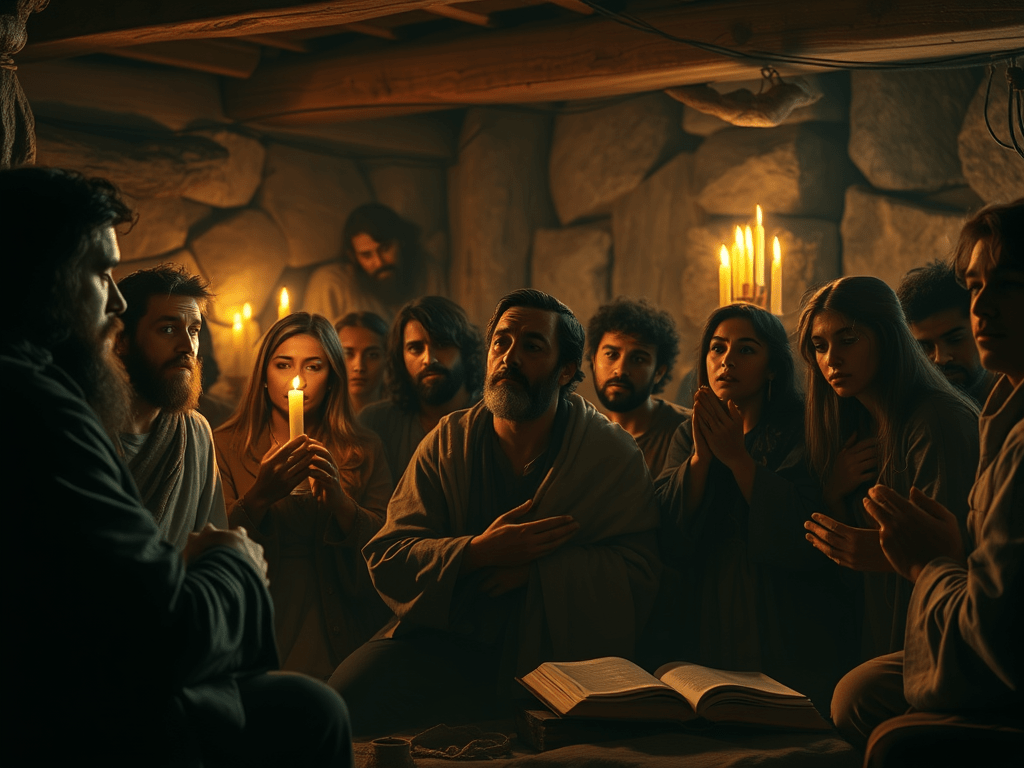
As the early church was flourishing, marked by unity and generosity, a couple decided to sell a piece of property. On the surface, their actions mirrored those of other believers who were selling possessions to support the community. However, Ananias and Sapphira’s story took a dramatically different turn.
This couple conspired to deceive the apostles and the church. They sold their property but secretly kept back a portion of the proceeds for themselves while presenting their gift as if it were the full amount. Their actions reveal a sobering truth about the nature of sin:
Sin offers a false sense of righteousness.
Ananias and Sapphira wanted the appearance of generosity without the full sacrifice. They sought the praise and admiration of others while holding onto their selfish desires. This is a trap we can all fall into – seeking to look righteous on the outside while harboring sin within.
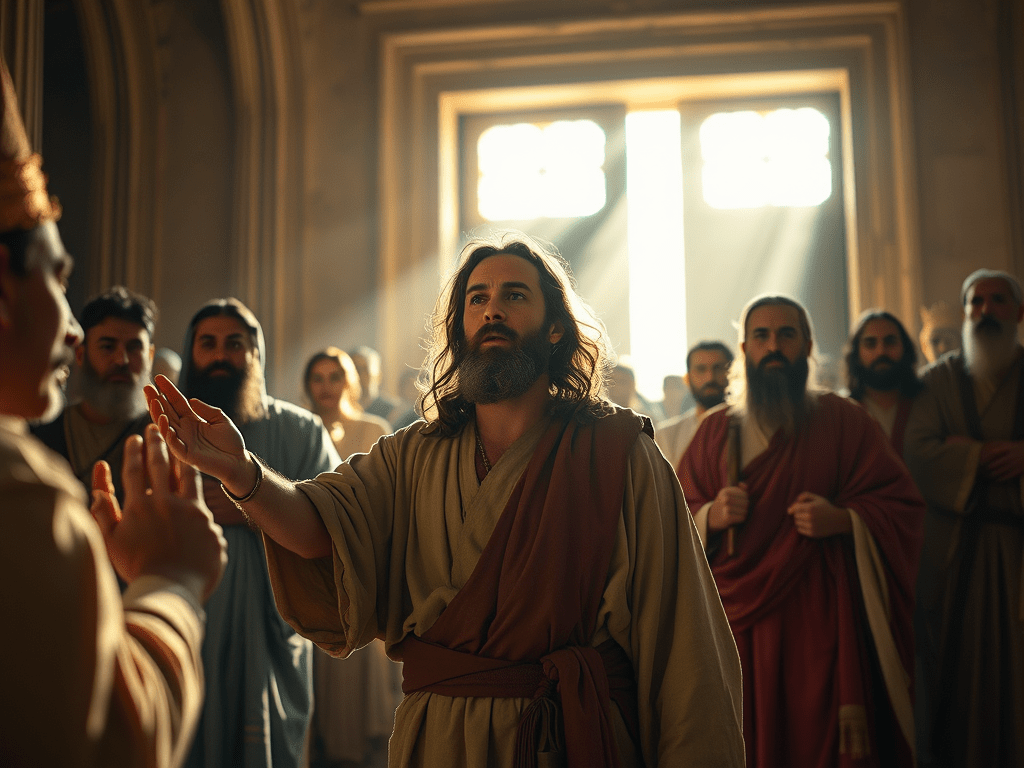
The apostle Peter, through divine insight, confronted Ananias about this deception. His words cut to the heart of the matter: “Ananias, why has Satan filled your heart to lie to the Holy Spirit and to keep back for yourself part of the proceeds of the land?” (Acts 5:3)
This leads us to a crucial realization:
Sin is always against God.
While our actions may hurt others, ultimately, every sin is an offense against our holy Creator. David understood this when he wrote in Psalm 51:4, “Against you, you only, have I sinned and done what is evil in your sight.”
When we sin, we are essentially declaring war on God, attempting to usurp His authority and place ourselves on the throne of our lives. This reality should cause us to pause and consider the weight of our actions, even those we might consider “small” or inconsequential.
The consequences of Ananias and Sapphira’s sin were swift and severe. Both fell down dead after their deception was exposed. While this outcome is not typical, it serves as a stark reminder that:
Sin always has consequences.
Even when the effects aren’t immediately visible, sin damages our relationship with God and impacts every aspect of our lives. It corrupts what God intended for good and robs us of the life He desires for us.
This account isn’t meant to terrify us but to instill a healthy fear of God – a reverent awe of His holiness and power. As Proverbs 9:10 states, “The fear of the Lord is the beginning of wisdom, and knowledge of the Holy One is understanding.”
Recognizing the seriousness of sin should lead us to:
- Examine our hearts: Are there areas where we’re seeking a false sense of righteousness? Are we putting on a show of godliness while lacking true devotion?
- Acknowledge our offenses against God: When we sin, do we recognize it as primarily an offense against our Creator?
- Consider the consequences: How might our actions, even those done in secret, be impacting our spiritual lives and relationships?
- Cultivate a proper fear of God: Do we truly grasp His holiness and our need for His grace?
The story of Ananias and Sapphira is a sobering one, but it’s set against the backdrop of the incredible grace and love of God. The same passage that recounts their judgment also tells of the early church’s growth, unity, and the powerful work of the Holy Spirit.
This juxtaposition reminds us of an essential truth: While we deserve judgment for our sin, God has made a way for redemption through Jesus Christ. Romans 5:8 beautifully captures this reality: “But God demonstrates his own love for us in this: While we were still sinners, Christ died for us.”
When we place our faith in Christ, confessing Him as Lord and Savior, we are declared righteous before God. We no longer need to seek a false sense of righteousness or live in fear of being exposed. Instead, we can rest in the finished work of Jesus, who has secured our salvation.
This doesn’t mean we can be casual about sin. Rather, our response should be one of gratitude, leading to a life of genuine devotion and obedience. As new creations in Christ (2 Corinthians 5:17), we have the Holy Spirit dwelling within us, empowering us to live in a way that honors God.
The account of Ananias and Sapphira serves as both a warning and an invitation. It warns us of the deceitfulness of sin and the holiness of God. But it also invites us to embrace the transforming power of the gospel, where we can find forgiveness, freedom, and a new identity in Christ.
As we reflect on this powerful story, may we be moved to examine our own hearts, turn from any hidden sin, and pursue a life of authentic faith. Let us cultivate a proper fear of the Lord, not out of terror, but out of awe for His holiness and gratitude for His grace.
In doing so, we open ourselves to experience the abundant life God intends for us – one marked by genuine righteousness, deep intimacy with Him, and the joy of walking in His ways.

 Diary of a Sinner
Leave a comment