

In the early days of Christianity, a remarkable transformation took place. Thousands of new believers, once strangers to each other, suddenly found themselves united in a radical new way of life. This dramatic shift, captured in the book of Acts, provides us with a powerful blueprint for how we can live as followers of Christ today.
At the heart of this blueprint are three core elements: devotion to worship, focus on others, and being rooted in community. These pillars formed the foundation of the early church and continue to be essential for a vibrant Christian life today.
Devotion to Worship
The early believers were devoted to four key aspects of worship: the apostles’ teaching, fellowship, breaking of bread, and prayer. This wasn’t a casual commitment – it was an intense, intentional dedication that permeated every aspect of their lives.
They clung to the apostles’ teachings, eagerly absorbing the scriptures and their fulfillment in Jesus. Their hunger for God’s Word was insatiable, as if hearing it for the first time. This devotion to theology wasn’t dry or academic – it was life-changing.
Fellowship wasn’t an occasional occurrence but a daily priority. They were committed to being together, sharing life in a deep and meaningful way. The breaking of bread, both in communion and shared meals, was a regular practice that bound them together in obedience and community.
Perhaps most strikingly, prayer wasn’t just something they did – it was a way they lived. Prayer was as natural and constant as breathing, an ongoing conversation with God that infused every moment of their day.
This devotion to worship wasn’t a burden or a chore. It brought a sense of awe and wonder, not just to the believers themselves, but to everyone who witnessed their transformed lives. The city of Jerusalem couldn’t help but take notice of this radical new way of living.
Focus on Others
The early church wasn’t just inwardly focused on their own spiritual growth. They were deeply committed to serving one another and meeting each other’s needs. This wasn’t mere lip service or an occasional act of kindness. It was a fundamental reorientation of their priorities.
They sold possessions and shared resources to ensure that no one in their community went without. Historical accounts tell us that those with plenty would even go hungry themselves to make sure others didn’t starve. This sacrificial love wasn’t about becoming martyrs or going to extremes – it was about doing what they could, within their means, to help others.
Imagine the impact of thousands of people living with this mindset of radical generosity and service. It had the power to reshape cultural norms and flip an entire city upside down. Even today, a community of believers truly committed to putting others first could have a transformative impact on our world.
Rooted in Community
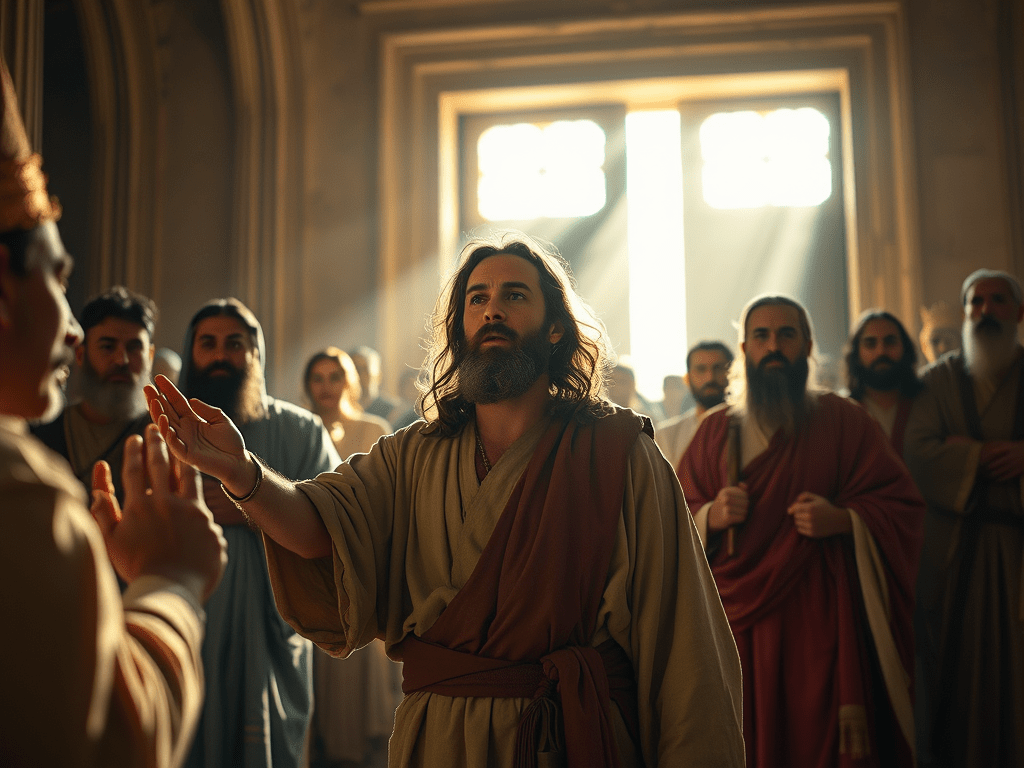
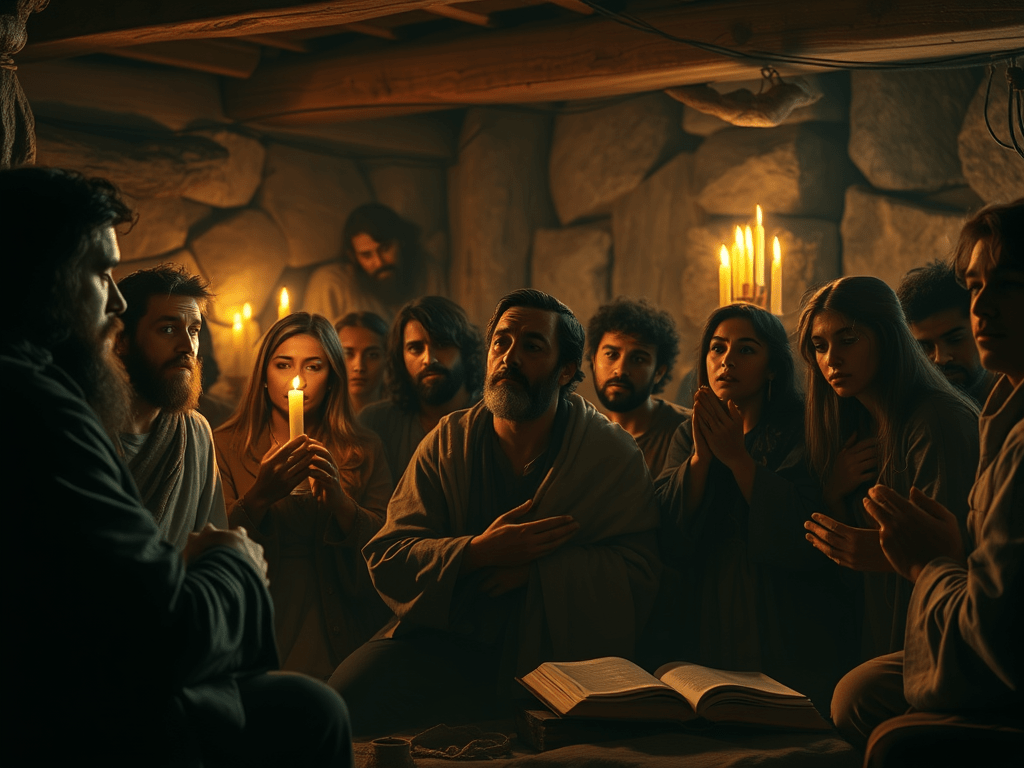
The early church wasn’t just a Sunday gathering – it was a daily reality. They met together frequently, both in the temple and in homes. These weren’t formal, stuffy meetings, but joyful gatherings filled with worship, shared meals, and genuine fellowship.
There’s something special that happens when people sit down to share a meal together, especially in someone’s home. It creates a bond, a sense of intimacy and unity that goes beyond surface-level interactions. For the early church, these gatherings weren’t a burden or an obligation – they were a source of gladness and joy.
This community wasn’t based on shared interests or social status. It was a diverse group of people from all walks of life, united by their faith in Christ. In a matter of days, strangers became family, bound together by a love that transcended human understanding.
The Impact of a Life Lived This Way
The result of this devotion to worship, focus on others, and rootedness in community was profound. The early believers found favor with all people, and the Lord added to their number daily those who were being saved. Their transformed lives spoke louder than any words they could have said.
This serves as a powerful reminder for us today. We can share the gospel until we’re blue in the face, but if our lives don’t reflect the words we claim to believe, it’s pointless. How we live, how we treat people, and how we worship God will point people to Jesus more than anything we ever say.
Reflecting on Our Own Lives
As we consider this blueprint for Christian living, it’s natural to feel a bit overwhelmed. Few of us can say that our lives perfectly reflect this ideal. But that’s not the point. This picture isn’t meant to condemn us – it’s meant to inspire us, to give us something to aim for.
When we fall short in our devotion to worship, our focus on others, or our commitment to community, we shouldn’t despair. Instead, we should turn to God, acknowledging our need for His help and grace. After all, He has promised to be with us always, to give us what we need when we ask.
The beautiful truth is that God has given us everything we need to live a life that glorifies Him and is good for us. He’s given us the promise of eternity, the gift of His Spirit to shape and empower us, and a family of believers to walk alongside us.
We were never meant to do life alone. From the very beginning, God designed us for community. And in Christ, we find the ultimate fulfillment of that design – a new family, bound together by His love and grace.
As we seek to live out this blueprint in our own lives, may we be encouraged by the example of those early believers. May we be devoted to worship, focused on others, and deeply rooted in community. And may our lives, like theirs, point others to the transforming power of Jesus Christ.


 Diary of a Sinner
Leave a comment